
Across Africa, regional distribution rights rarely survive the first border.
Fifty-four markets, each with its own regulator, currency and agency rules. Product registrations in Nigeria and Kenya sit in a local company's name, and Egypt reserves commercial agency for Egyptians. Trade blocs promise one market; dossiers, customs posts and foreign-exchange access still run country by country.
Africa is 54 distribution markets that share a trade agreement.
The continent's nominal output is around $2.8 trillion, and more than 40 per cent of it sits in four economies: South Africa, Egypt, Algeria and Nigeria. Below them is a long tail of markets where a single importer can control a category. Scale exists, but it is spread across 54 regulators, more than 40 currencies and four legal traditions.
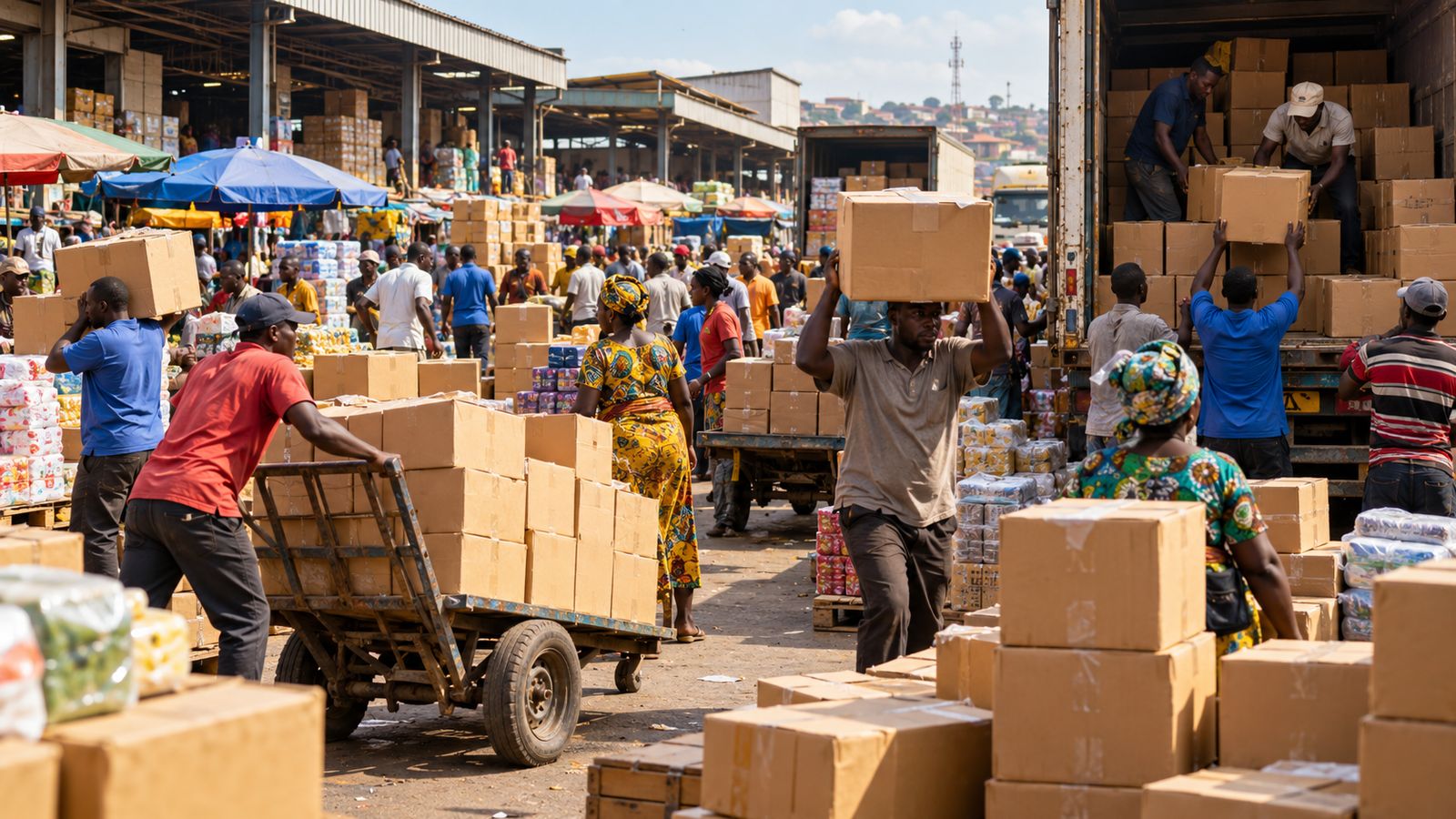
Outside South Africa, Morocco and the larger Kenyan cities, modern trade is thin. Most consumer-goods volume moves through open wholesale markets such as Onitsha and Idumota in Nigeria, Kariakoo in Dar es Salaam and Adjamé in Abidjan, where importers break bulk for traders and sub-distributors. The firm you appoint is often a master importer whose real reach is the credit it extends to the next tier.
Agency and registration law decide who holds the leverage. Egypt's Law 120 of 1982 restricts commercial agency to Egyptian nationals and wholly Egyptian-owned companies on the commercial agents register. Nigeria's NAFDAC issues product registrations in the name of a Nigerian entity, never the foreign manufacturer, and Kenya requires a local representative on every health product dossier. Ethiopia only opened import, wholesale and retail trade to foreign investors, with conditions, in 2024.
Currency policy shapes distributor behaviour as much as demand does. Nigeria unified its exchange rate in June 2023, Egypt floated the pound in March 2024 and Ethiopia floated the birr that July. Distributors that came through those years did so by securing dollars, and they still rank principals by payment terms.
Principals underestimate Africa by treating trade blocs as markets. Tariffs under the African Continental Free Trade Area are phasing down, but a registration approved in Nairobi carries no weight in Dar es Salaam, and a Lagos importer has no network in Accra.
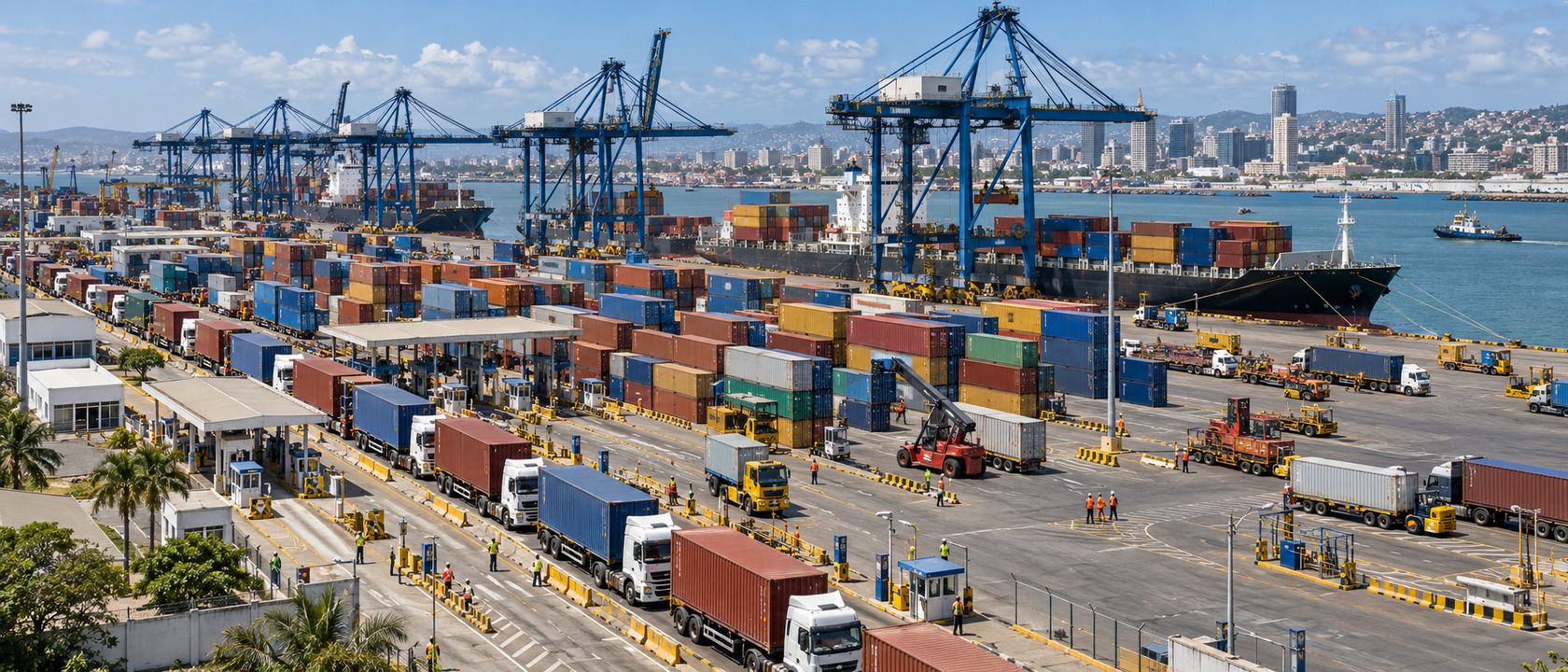
Africa: what the distributor landscape actually looks like.
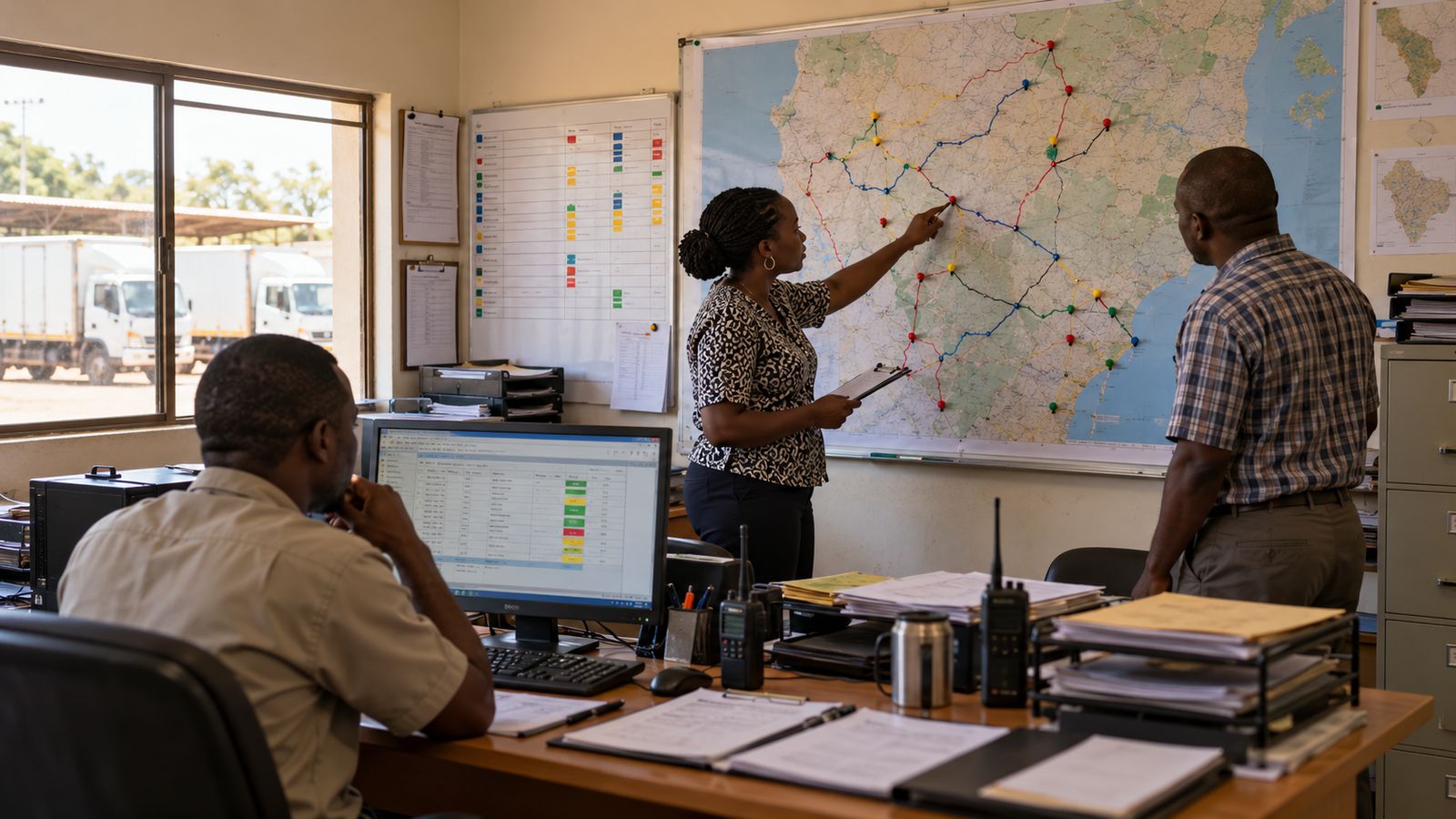
Serious distributors cluster in Johannesburg, Lagos, Nairobi, Cairo, Casablanca and Abidjan. A Nairobi firm that claims East Africa usually means a Kenyan warehouse with agents in Kampala and Dar es Salaam; a Johannesburg firm's southern African reach often runs on cross-border trucking contracts rather than owned branches.
Many of the strongest distributors are multi-generation trading houses, often with family shareholdings that span several countries and dozens of principals across unrelated categories. Decisions sit with the family, not the country manager you meet, and your brand competes for attention inside their portfolio.
Product registration with NAFDAC, Kenya's Pharmacy and Poisons Board or the Egyptian Drug Authority is slow and decides who can sell. Import permits and trade licence renewals are paperwork. In much of francophone West Africa, medicines reach pharmacies through a small number of licensed wholesalers, so a pharmaceutical distributor's value lies in its wholesaler relationships.
Anglophone common-law markets, the 17 states of the OHADA uniform commercial code, lusophone Angola and Mozambique, and Arabic-speaking North Africa each read contracts, registries and termination differently. A template that works in Lagos will be read another way in Abidjan.
Where African distributor appointments go wrong.
Principals routinely grant East Africa or West Africa exclusivity to a distributor with one registered entity in one country. The rest of the territory sits idle, and the exclusivity clause blocks you from appointing anyone else there. Before a country enters the territory schedule, require evidence of a registered entity, a stock-holding location or a named sub-distributor in it, and attach a separate volume floor to each country.
The coverage map shows national reach. The trucks stop at wholesale markets such as Onitsha, Kariakoo or Adjamé, and everything after that handover is invisible to you: shelf price, stock rotation, expiry control and grey re-export into neighbouring countries. Ask for named second-tier customers by town, and visit three of them unannounced before signing.
NAFDAC will not register products for a foreign manufacturer directly: the certificate is issued in the name of a Nigerian entity. Kenya requires a local representative on every health product dossier. When the relationship ends, moving the registration depends on cooperation from the company you are leaving. Hold registrations through your own subsidiary or an independent custodial holder, or put signed transfer documents in escrow before anything is filed.
Nigeria's exchange-rate unification in June 2023, Egypt's float in March 2024 and Ethiopia's float in July 2024 left distributors holding local-currency receivables against dollar invoices. Principals on open account found out which partners could remit and which could not. Ask how the distributor settled foreign invoices through 2023 and 2024, which banks open its letters of credit, and how much of its import book it funds in hard currency.
Egypt's Trade Law of 1999 gives agents a compensation claim on untimely termination. Under the OHADA Uniform Act on General Commercial Law, applied in 17 francophone and lusophone states, an intermediary can claim damages for abusive revocation, and courts have awarded indemnities to commercial agents without serious fault. Courts look at what the distributor actually does, not what the contract calls it. Have counsel in the specific jurisdiction review termination and indemnity clauses before signature.
How DistributorIQ finds distributors in Africa.
We start from the regulator, not the distributor's brochure. For each country in scope we check registration holders of record where registers are public, such as NAFDAC's product database and Kenya's Pharmacy and Poisons Board register, and match them against the brands a distributor claims. That shows who already holds competing registrations, and who holds registrations for brands they no longer serve.
We map legal entities, warehouses and sub-distributors country by country, separating owned operations from partner arrangements, so a claimed East Africa becomes a list of countries with evidence behind each one. Financial checks cover filed accounts, banking references and how the firm settled foreign invoices through the 2023 and 2024 currency adjustments.
Primary research runs in English, French, Arabic and Portuguese, including calls to the second-tier customers a distributor names. In OHADA states we add a commercial registry (RCCM) check on the entity and its directors.

We research, verify, and present the distributors that match your sector, geography, and commercial requirements in Africa. Tell us what you need.
Tell us your requirementThe same research process operates across 40+ countries. Any market, any sector. Scoped and priced before fieldwork begins.
Tell us about your African distribution requirement.
We respond to every enquiry with a scoped outline of what we can cover for your target countries and sector, before any commitment.
Confidential by default. We don't share enquiry details with distributors or third parties.